Rotameter Reading Wrong? Check These 5 Things First
Originally published on Paper Advance
Rotameters, also known as variable area flow meters, are simple, reliable instruments. A well-made rotameter, properly selected and installed for the application, can provide dependable flow measurement for many years.
If the reading seems off, where should you start?
Here are five practical things to check before replacing a flow meter.
The good news is that the flow meter itself may not be the problem. Common causes of unexpected readings include:
- Changes in pressure or temperature
- A change in the process fluid
- Buildup or contamination
- Installation or orientation issues
- Simply reading the float incorrectly
1. Has the Process Pressure or Temperature Changed?
Rotameters are selected and installed for specific operating conditions, so changes to those conditions can affect the reading.
For gases, changes in pressure and temperature can affect density and therefore the indicated flow. For liquids, temperature can change viscosity, which can also affect the reading.
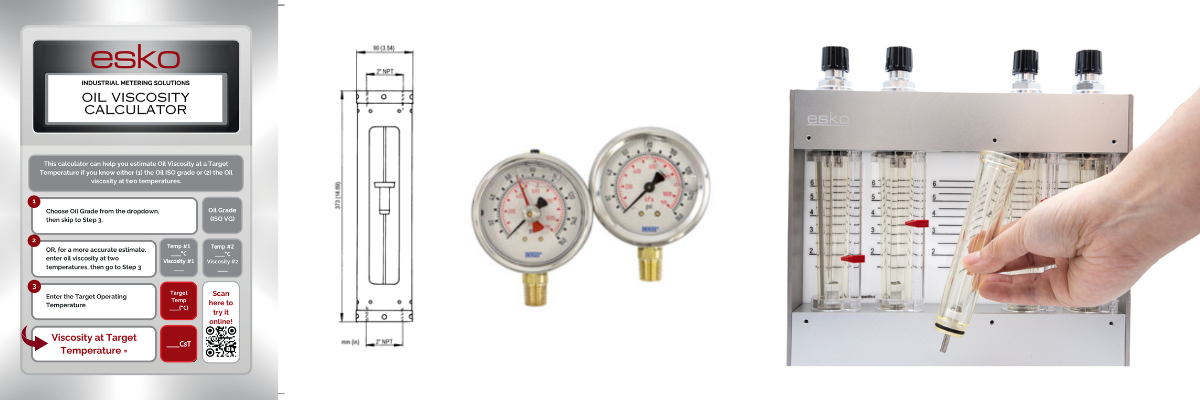
Quick check 1: Do the current operating pressure and temperature conditions match the original selection conditions?
2. Has the Process Fluid Changed?
A rotameter selected for one fluid won’t necessarily give the correct reading with another.
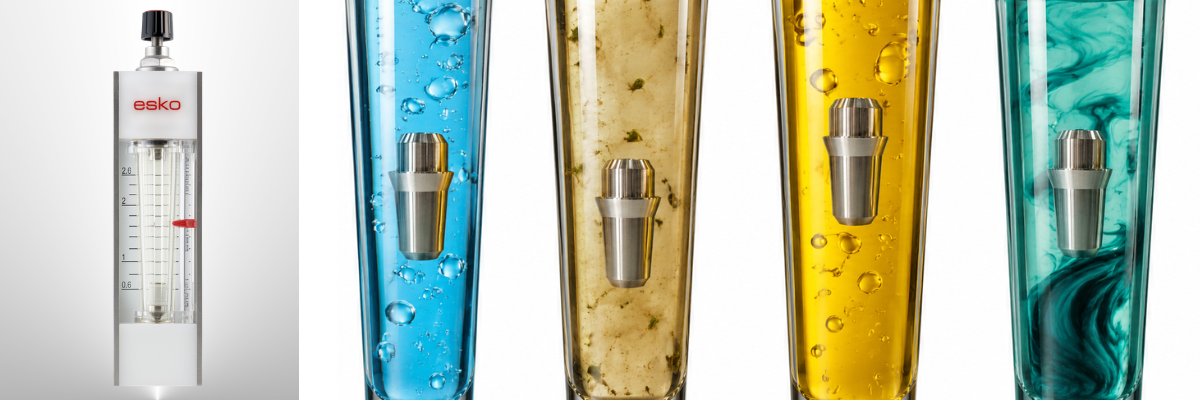
Fluid density and viscosity affect how the float behaves inside the measuring tube. A flow meter selected for water shouldn’t automatically be expected to read correctly if the process fluid changes. And process changes happen. Sometimes the flow meter stays exactly where it is while everything around it changes.
Quick check 2: Confirm that the fluid and operating conditions match the flow meter’s original specifications.
Pro Tip: A change in application doesn’t always mean you need a new flow meter. In some cases, an existing meter can be recalibrated for a different fluid or operating conditions. Check with ESKO, we may be able to provide a new scale and/or fittings to adapt your existing meter to the new application or conditions.
3. Is the Float Moving Freely?
If a rotameter has been working well and suddenly starts giving an erratic or unusual reading, take a closer look at the measuring tube and float.
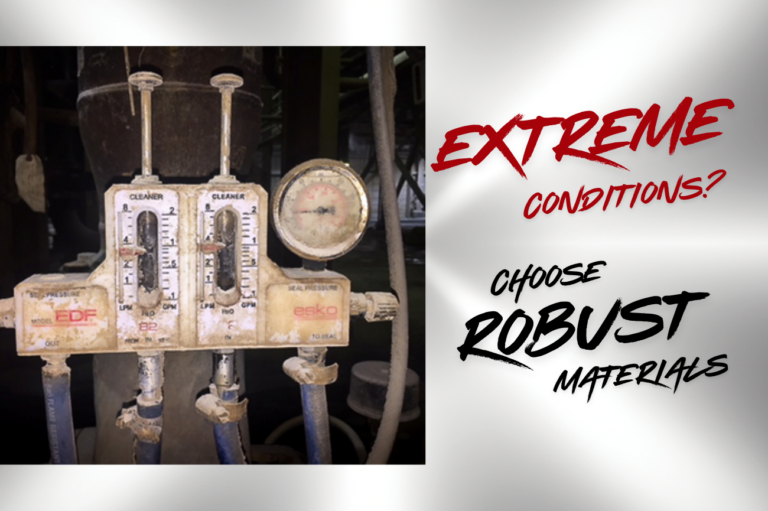
Dirt, deposits or process residue can build up over time and interfere with float movement. You may notice that the float sticks, responds slowly to flow changes or doesn’t return smoothly as flow decreases.
A little buildup? We thought of that. ESKO ESF seal water flow meters feature a built-in plunger cleaner, allowing the measuring tube to be cleaned while the meter remains in service; a practical way to help keep the float moving freely and reduce maintenance.
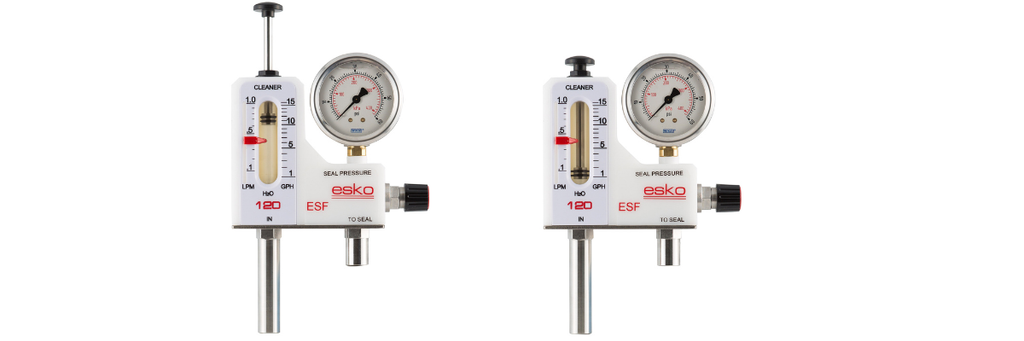
Quick check 3: With the meter safely isolated, inspect the measuring tube and float for buildup, contamination or damage. Clean and service the meter according to the manufacturer’s instructions.
4. Is the Meter Installed Correctly?
Most traditional rotameters require vertical installation, with flow entering from the bottom and moving upward through the measuring tube. This allows the float to rise and fall freely with changes in flow.
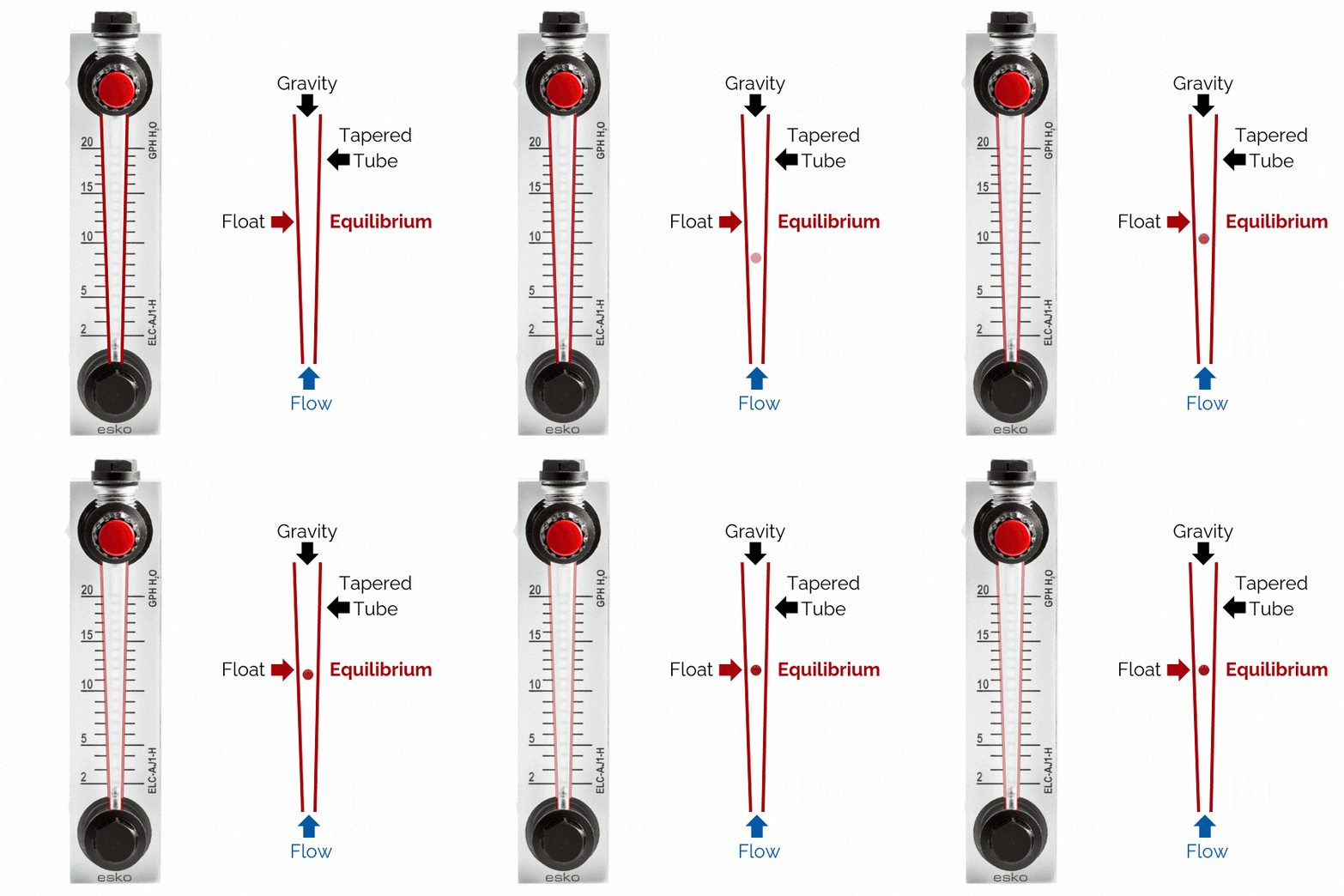
A meter that is tilted or installed in the wrong orientation can cause inaccurate readings. This is worth checking after piping modifications, maintenance or other equipment changes.
Quick check 4: Check that the meter is installed in the correct orientation and that flow travels in the right direction.
5. Are you Reading the Float Right?
Sometimes nothing is wrong with the flow or the flow meter. It’s simply being read incorrectly.
Floats inside variable area flow meters come in many different shapes, sizes, weights, and materials, specific to the application. (Read more about floats here.)
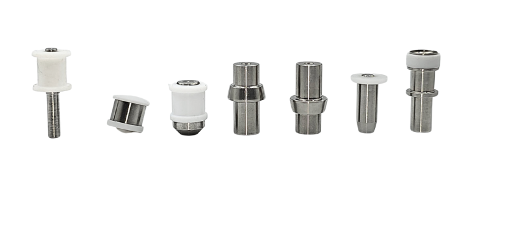
The correct reading point depends on the float design, but the important Rule of Thumb for reading the flow rate on an ESKO variable area flow meter is:
Read the flow at the highest point of the widest part of the float.
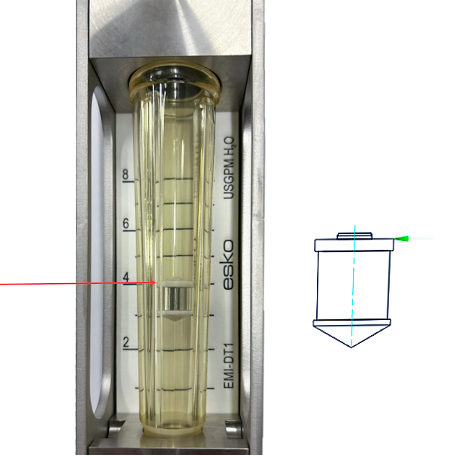
Reading the scale from an angle instead of straight on can also affect what you see.
Quick check 5: Confirm the correct reading point for your float and read the scale straight-on at eye level whenever possible.
One More Question: Has Something Else Changed?
If a rotameter has worked reliably for years and suddenly seems to be giving the wrong reading, don’t immediately assume the meter has failed.
Take a look at the process.
- Has the pressure changed?
- Has a valve been adjusted?
- Has a pump been replaced?
- Has the fluid changed?
- Has piping been modified?
Sometimes the rotameter is doing exactly what it should and it’s actually showing you that something else in the system has changed.
A few simple checks can often identify the problem and prevent unnecessary flow meter replacement.
Still not sure? ESKO can help. Send us your application details, operating conditions and flow requirements, and we can help determine whether your flow meter is correctly sized and suited for the job.
ESKO Pacific Sales Ltd.
Practical flow measurement solutions backed by more than 40 years of industry experience.