Floats and Tapers – why are some flow meters blinged out with red sapphire floats?
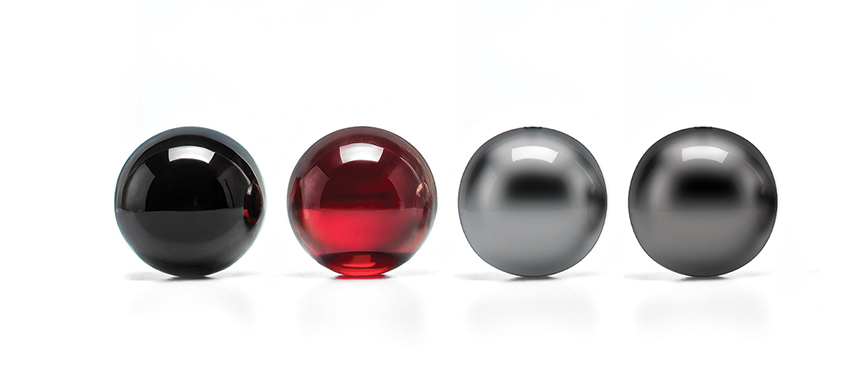
Float materials matter
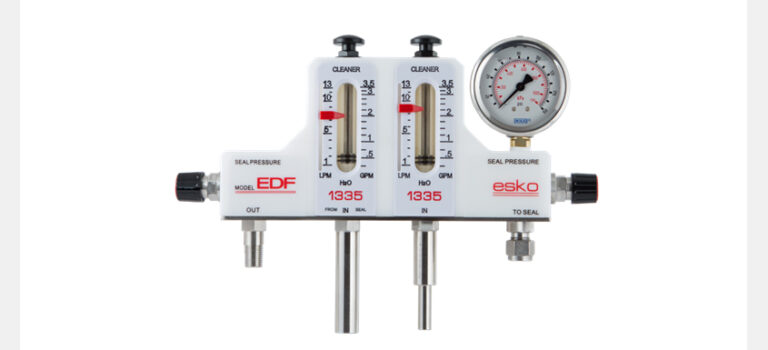
THE TECHNOLOGY – Variable area flow meters provide an indication of volumetric flow rate using a moving internal float lifted upward by the force of flow and downward by the opposing force of gravity. The float moves freely inside the flow tube. Different flow liquids and gases need different floats and tube tapers to accommodate the flow media.
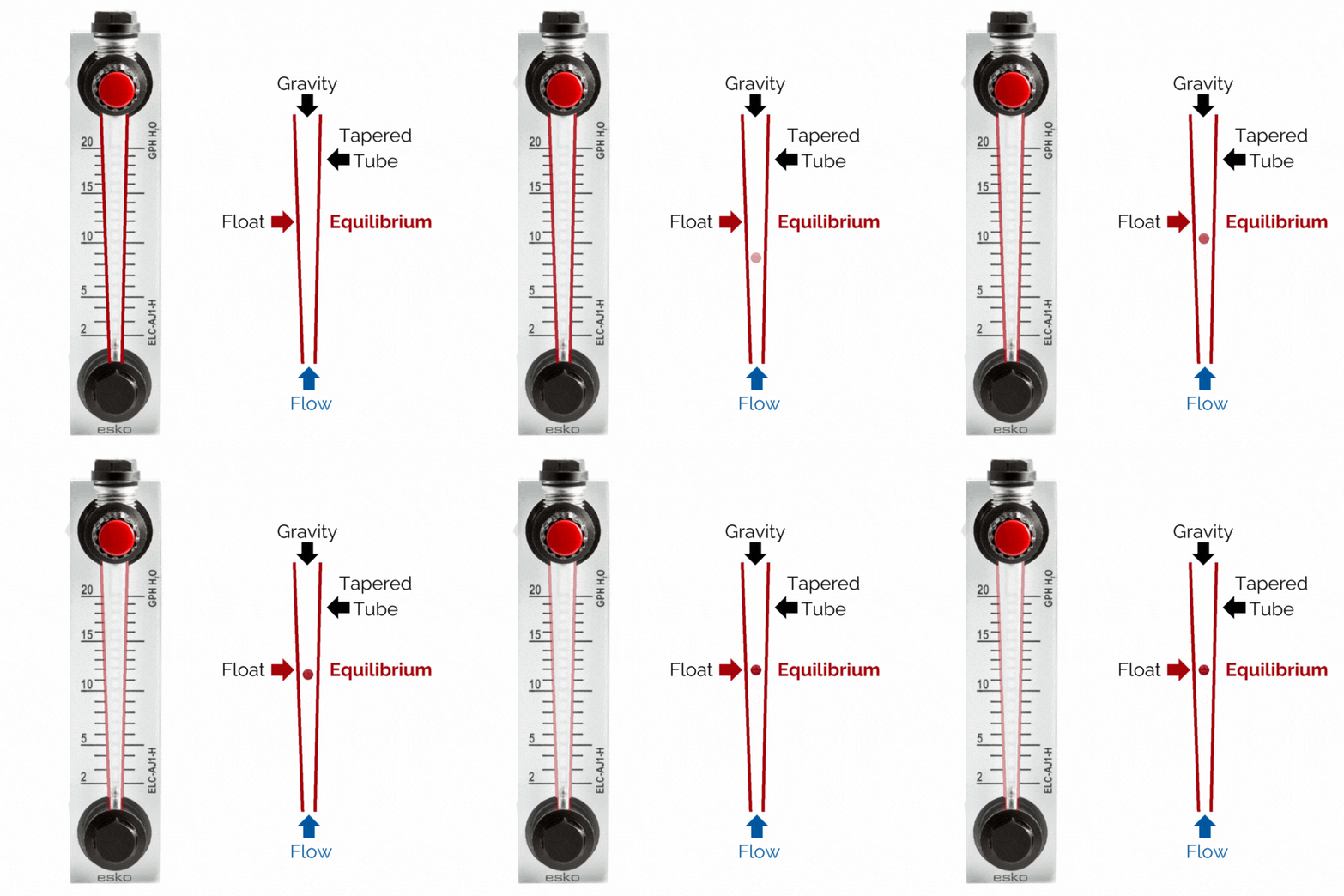
This diagram shows a typical meter used for small flows of water, air and other liquids and gases.
Different tube tapers are available to accommodate different flow ranges.
In any installation, the narrow end of the tube must be at bottom and the meter will only function if mounted vertically to allow the lift of the upward flow to be continually offset by the downward force of gravity.
FLOAT DENSITY – The application flow range determines the tube taper and float density needed to give an accurate reading.
Free floating floats need to be the correct size and density, typically measured in grams/cm3. Common float material choices are:
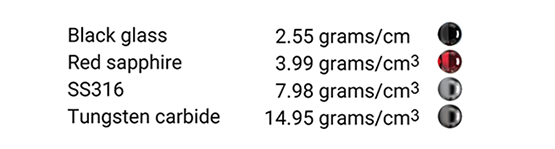
Increasing the density of the float will increase the gravitational force on the float. A heavier float will require a larger flow to push the float to the top of the tapered tube.
SCALE INDICATION – Flow is indicated by the float position in the tube. The scale is defined by measuring the equilibrium position of the float at a given steady flow rate. A typical range starts at 1/10th of the maximum flow indication. The scale should be chosen such that normal flow occurs at approximately 70% of the scale maximum. The float and taper are selected to accommodate each application.
DETERMINING FLOW RATE – The first step to finding the right tube taper, float and scale combination is measuring the amount of flow media over a measured period of time, for example millilitres per one minute for water flows. ESKO Pacific can provide advice on which model, tube material and float material is best for your application.

At ESKO Pacific, we’ve been working with paper mills for over 40 years supplying variable area flow meters constructed from high quality components. Contact us today to see how we can help keep your mill running smoothly with tried-and-true technology.
ESKO Pacific variable area flow meters are constructed using a variety of materials for low to industrial level flows. View our product line.